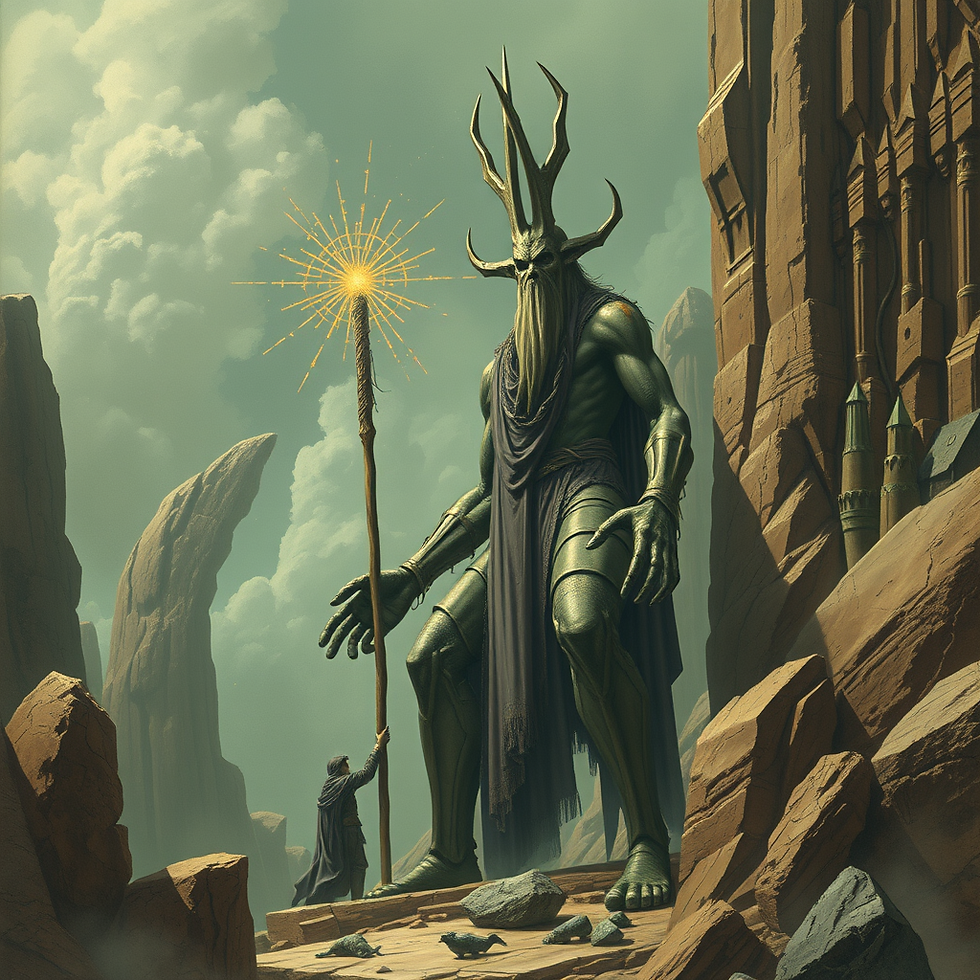
Vault Sigma in the Altai Range
The Altai Mountains don’t give up their secrets easily. I’ve spent enough time in remote mountain ranges to know that geology and mythology tend to occupy the same space - one explains the other, or at least tries to, but the Altai presents a different problem. The stories here predate the usual cultural markers. They sit uncomfortably outside the timeline we’re used to working with. Local references to what gets called “Vault Sigma” in certain fringe archaeological circles don’t fit neatly into any established tradition. The name itself is modern, probably coined by Soviet-era researchers who were mapping anomalous sites in the 1960s. The thing it refers to, seems to have roots that go back further than the historical record allows. What makes Vault Sigma worth talking about isn’t the claim that it exists. It’s the consistency of the descriptions. Multiple sources, separated by decades and language barriers, describe the same structural features: a chamber made of crystalline material that doesn’t match regional geology. Angles that seem calculated rather than natural. A space that interacts with light in ways that suggest intentional design. The usual explanation is that we’re looking at a natural cave system that got mythologized over time. Quartz formations, unusual acoustics, maybe some interesting mineral deposits that create optical effects. Perfectly reasonable. Except the descriptions don’t quite match that either. They’re too specific about the geometry, too consistent about the materials, and they all mention the same thing: the structure doesn’t feel like it was carved. It feels like it was grown. Here’s where it gets messy. Some researchers link the Altai region to what they call the “Lemurian lattice” - a hypothetical network of ancient sites that supposedly served some kind of planetary function. I know how that sounds, but if you strip away the new age language, what you’re left with is an interesting anthropological question: why do so many unconnected cultures describe the same kind of sacred geography?