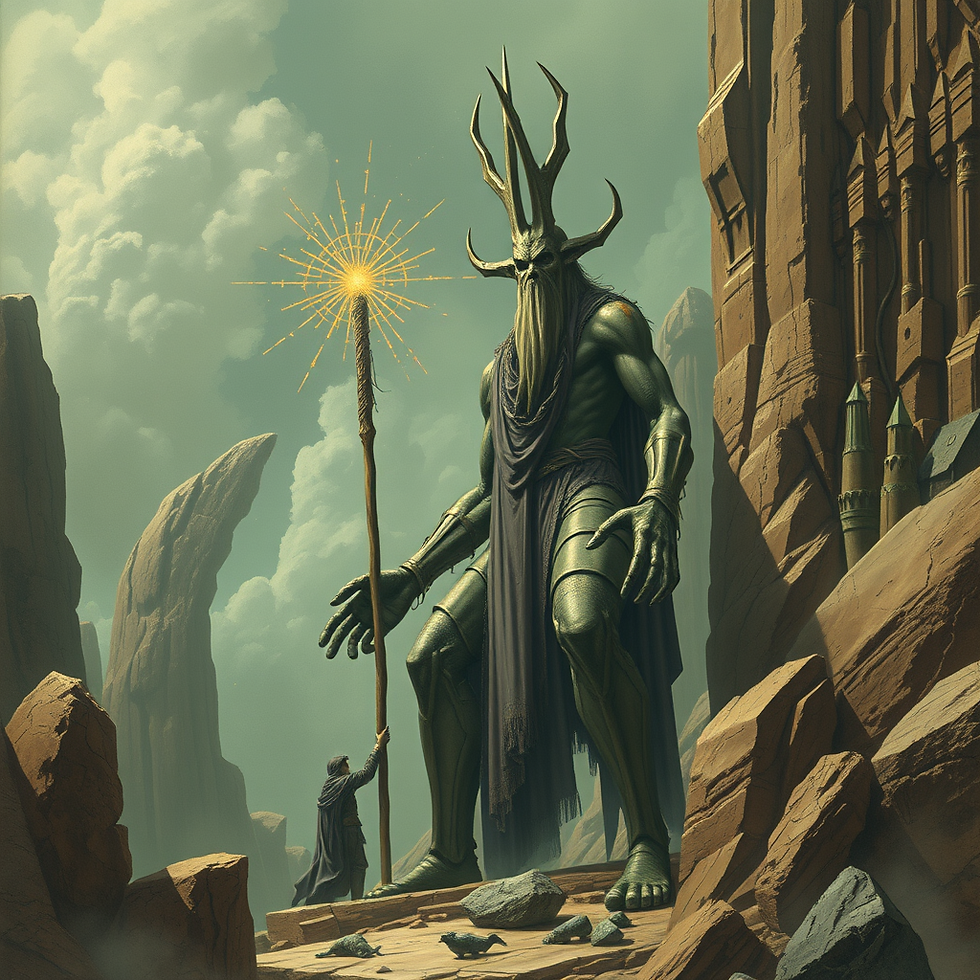
Why the Calendar is a Spell
Before modern calendars, humans lived in harmony with natural cycles like the sun, moon, seasons, and stars. This meant time felt like a living "pulse" rather than a systematic structure. The Gregorian calendar disrupted this by imposing an artificial system that prioritizes control over natural flow. It was introduced in 1582 by Pope Gregory XIII, and is not aligned with natural rhythms (e.g., lunar cycles or solar harmonics). Instead, it's designed for societal control, turning life into repetitive work weeks (Monday-Friday grind, weekend recovery) that promote routine, consumption, and survival over creativity and growth. Ancient systems like the Mayan or Egyptian calendars, or Indigenous wisdom, used harmonic patterns (e.g., 13 moons, 28-day cycles, equinoxes). These created vitality and evolution in societies, avoiding burnout by syncing with nature's frequencies. Living under the new system normalizes fatigue, intentionally dims inspiration, and eventually distances people from purpose. It's not personal weakness as we often believe, it's a mismatched "operating system" that's mechanical and extractive, keeping individuals out of sync with their natural energy so that frequencies get disturbed. Breaking free involves realigning with natural cues (e.g., waking with the sun, resting with the moon, creating in natural waves). This leads to remembering one's innate rhythm by escaping the "spell" of false time. The calendar isn't inherently evil, but its artificial structure is the real issue. Recognizing this illusion empowers people to live more authentically.